Road Safety Systems — A RoadGuard Company

Highway Barriers

Bollards, cable barriers, concrete barriers, safety barriers, and temporary work zone barriers installed across New York, New Jersey, Pennsylvania, Delaware, Maryland, and the broader Mid-Atlantic. Highway Barriers is one of the services that sets Road Safety Systems apart.

How We Work

01

Consultation

We review project specifications, DOT requirements, and site conditions. Our team provides detailed proposals with unit pricing per DOT bid item format.

02

Custom Design

Our engineering team produces barrier layout plans, foundation designs, and connection details. Structural calculations sealed by a licensed engineer when required.

03

Professional Installation

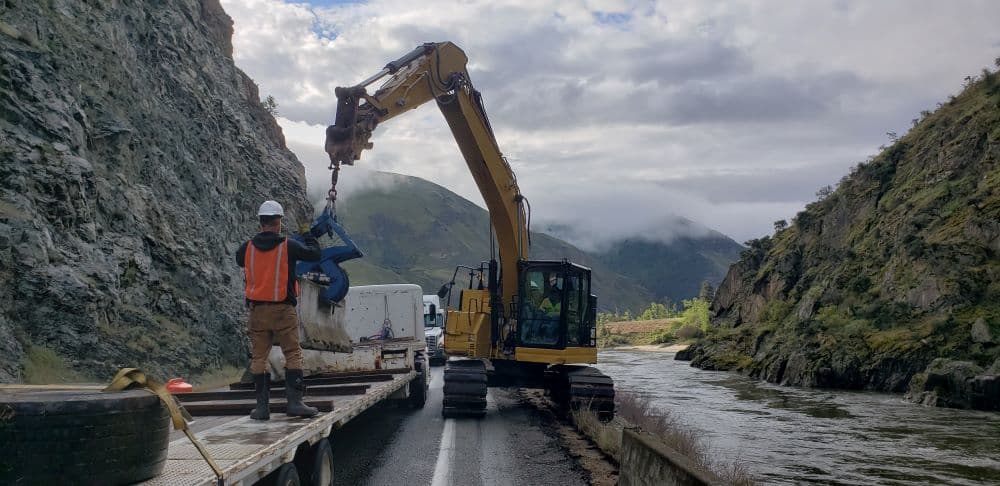
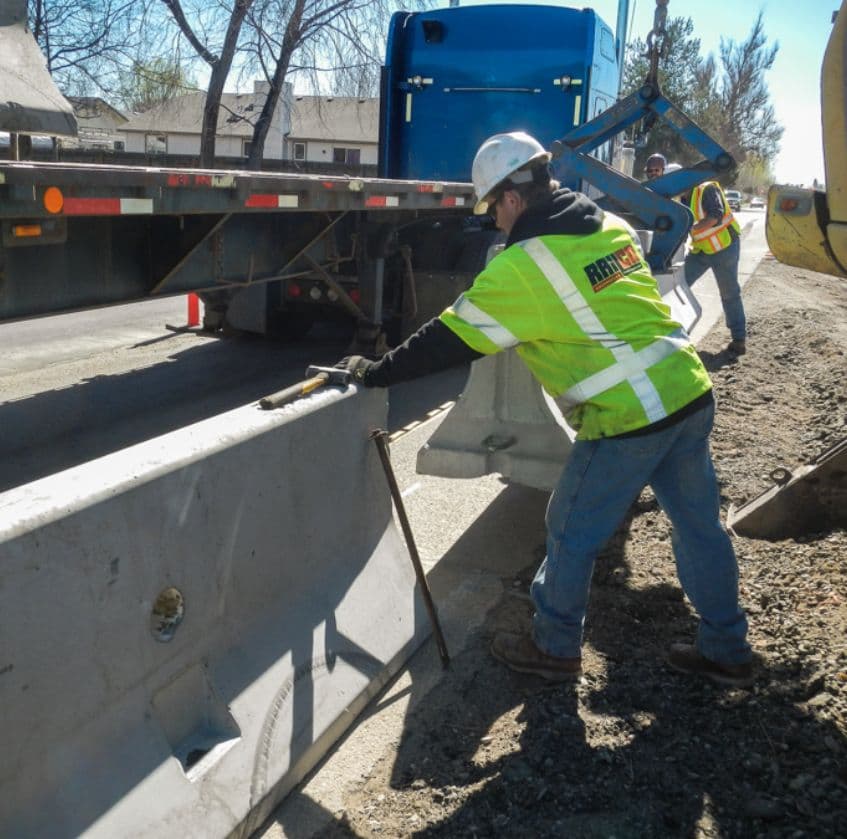
Crane trucks, slip-form equipment, and post drivers — all company-owned. MUTCD and DOT-compliant installations with full photo documentation and as-built records.
Industries We Serve

Industries We Serve

Ready to Start Your Project?

Get a free, no-obligation quote from our team of highway safety infrastructure experts.

Frequently Asked Questions

Fixed bollards are permanently embedded and provide constant protection. Removable and retractable bollards can be taken out or lowered to allow occasional vehicle access — such as for deliveries or emergency vehicles — while still protecting pedestrians during normal hours.

A crash-rated bollard is engineered and tested to arrest a vehicle impact at a specified speed and weight. Crash-rated bollards are used where a higher level of protection is required, such as building entrances or sensitive infrastructure access points.

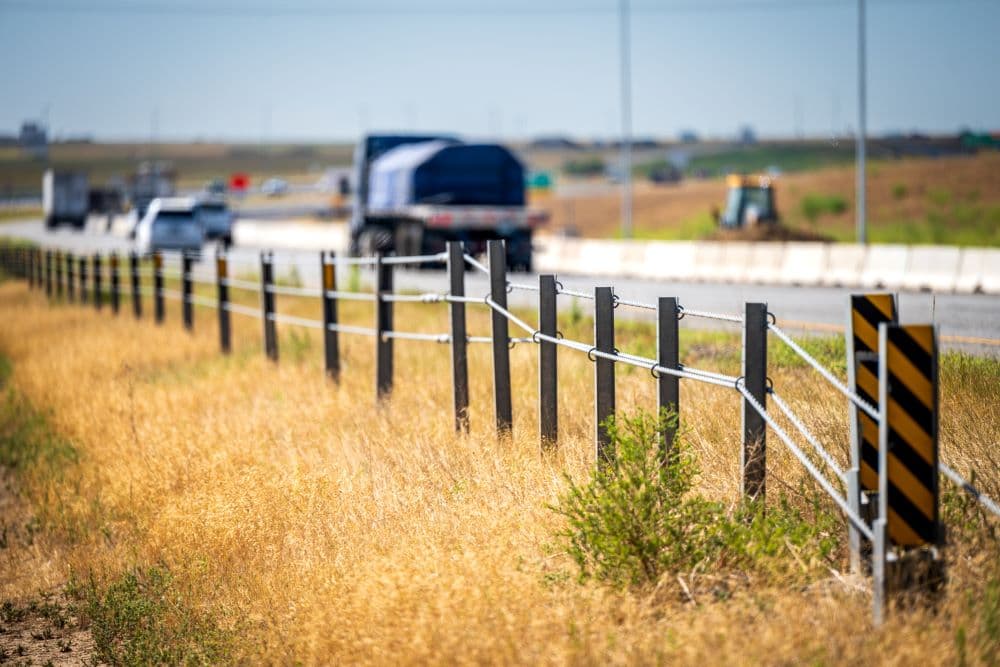
Cable barrier is one of the most widely deployed and cost-effective countermeasures for reducing cross-median crash severity on divided highways, which is why state DOTs across the country have invested heavily in cable barrier programs.

Cable barrier uses lighter posts and cables compared to heavier steel rail systems, and installation generally requires less earthwork than rigid barrier systems — making it a cost-effective option for protecting more highway miles within a fixed budget.

Concrete barrier is generally preferred where deflection space is limited, where high containment is required, or where agencies want a permanent, low-maintenance barrier rather than a system that requires periodic post or cable replacement after impacts.

Cast-in-place barrier is poured continuously on site, while precast barrier is fabricated off site in segments and set in place with a crane. Precast installation is generally faster, while cast-in-place can offer a more continuous, monolithic barrier run.

We weigh the required test level, available deflection space, maintenance considerations, and installed cost together with the project engineer, and confirm the recommended system appears on the applicable agency approved products list.

Yes. It's common for a corridor to transition between barrier types — cable barrier through a wide median narrowing to concrete barrier near an interchange, for example. We install and detail the transitions between systems as part of these mixed-system projects.

Temporary concrete barrier (TCB) provides the highest level of work zone protection — it stops vehicles without deflecting into the work space. Water-filled barriers are lighter and easier to deploy but provide lower containment, suitable for low-speed work zones.

Yes. Our service includes initial placement, phased repositioning as construction progresses, and removal at project completion, coordinated with the construction schedule.

A Jersey barrier is a precast or cast-in-place concrete barrier built to the New Jersey safety-shape profile — a stepped, sloped face developed by the New Jersey Department of Transportation to redirect vehicles on impact while limiting vehicle damage and vault risk.

Both are concrete safety-shape profiles with a similar stepped-face concept. F-shape is a later refinement of the original Jersey shape, with revised slope angles developed to improve crash performance. Many agencies maintain approved designs for both, along with single-slope barrier.
5
States Served
PennDOT & NJ Turnpike
Agency Experience
NJ, DE & MD
Solar Infrastructure Projects
RoadGuard
Parent Company

Request a Free Quote

We'll review your project and respond within 2 business hours.

Step 1 of 333%

Service & Location