Concrete Barriers
Permanent and precast concrete barrier systems for median separation, roadside protection, and high-containment applications.
Concrete barrier provides rigid, high-containment protection where deflection space is limited or where a permanent, low-maintenance barrier is preferred. Road Safety Systems installs concrete barrier systems for highway agencies and general contractors across New York, New Jersey, Pennsylvania, Delaware, and Maryland.
Concrete Barrier Systems
**Cast-in-Place Concrete Barrier**: Continuous concrete barrier poured in place, providing a permanent, high-containment median or roadside barrier with minimal deflection.
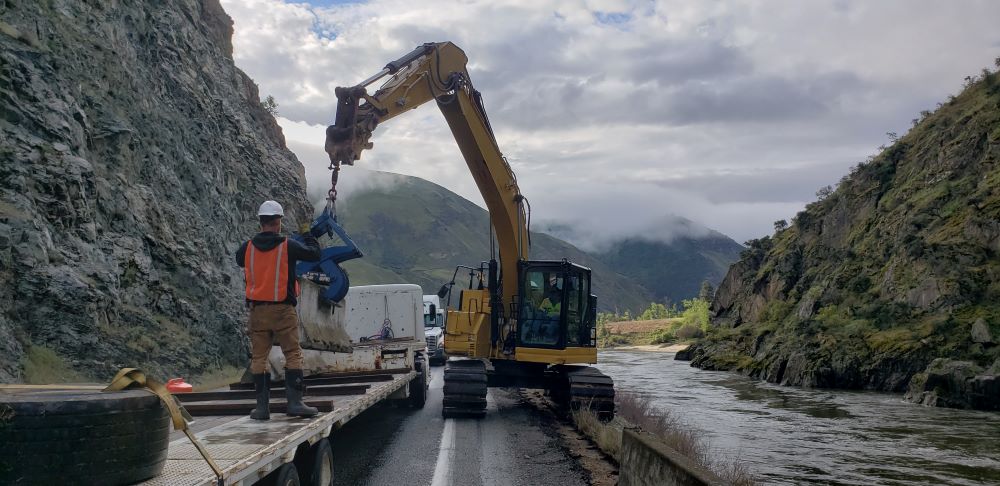
**Precast Concrete Barrier**: Precast segments set with a crane and connected with steel pins or bolted connections, allowing faster installation than cast-in-place while still providing rigid, high-containment protection.
Where Concrete Barrier Is Specified
Concrete barrier is specified where deflection space is limited, where a permanent low-maintenance barrier is preferred over systems requiring periodic repair, and at locations with high containment requirements such as narrow medians and roadside drop-offs.
Installation
We coordinate barrier layout with the project traffic control plan, verify foundation and joint details against design drawings, and provide as-built documentation for agency acceptance.
Cast-in-Place vs. Precast: Making the Call
The choice between cast-in-place and precast concrete barrier often comes down to schedule and site access. Precast segments can be set quickly once delivered, which matters on projects with tight lane closure windows, but delivery logistics and crane access need to be planned in advance. Cast-in-place work takes longer per linear foot but avoids transport and crane constraints, and can produce a more continuous barrier run without segment joints. We help project teams weigh these tradeoffs against their specific schedule and site conditions.
Barrier End Treatments
A concrete barrier run is only as protective as its end treatment — an exposed barrier end can itself become a fixed hazard if not properly treated with a crash cushion, flared terminal, or buried/anchored end section per the applicable standard drawing. We install barrier end treatments to the same specification standard as the barrier run itself, since this detail is frequently scrutinized during agency inspection and acceptance.
Ready to Start Your Project?
Get a free, no-obligation quote from our team of highway safety infrastructure experts.
Key Features
- Cast-in-place and precast concrete barrier systems
- High-containment, low-deflection protection
- New Jersey shape and F-shape profiles
- Crane-placed precast segment installation
- As-built documentation for agency acceptance
Applications
Technical Specifications
| Profiles | New Jersey shape, F-shape |
| Installation | Cast-in-place or precast, crane-set |
Frequently Asked Questions
Request a Free Quote
We'll review your project and respond within 2 business hours.