Road Safety Systems — A RoadGuard Company

Guiderail

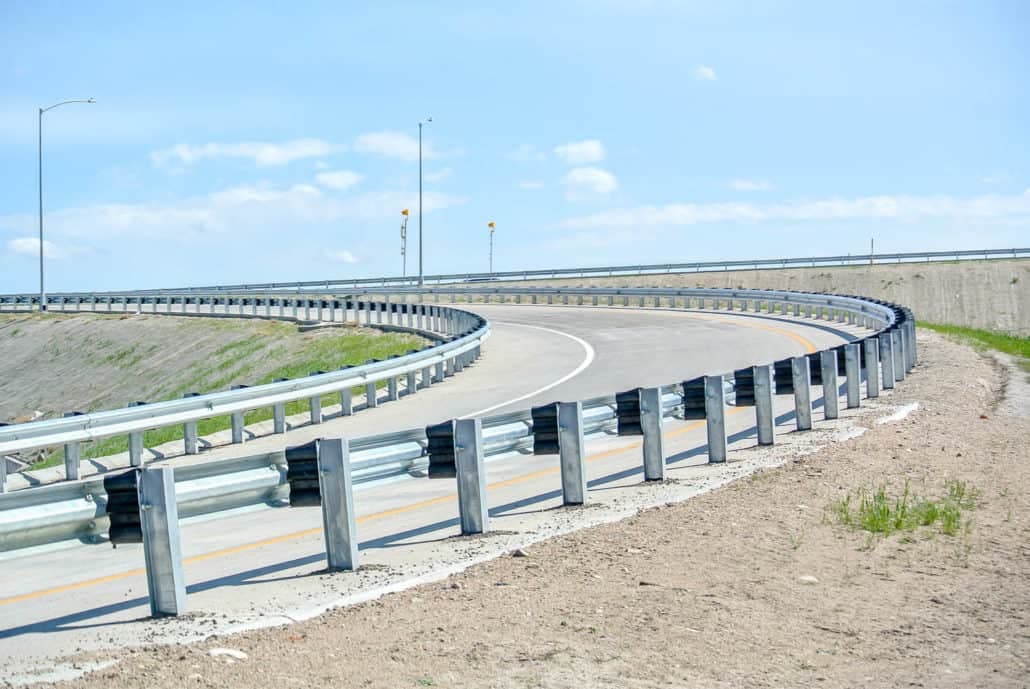
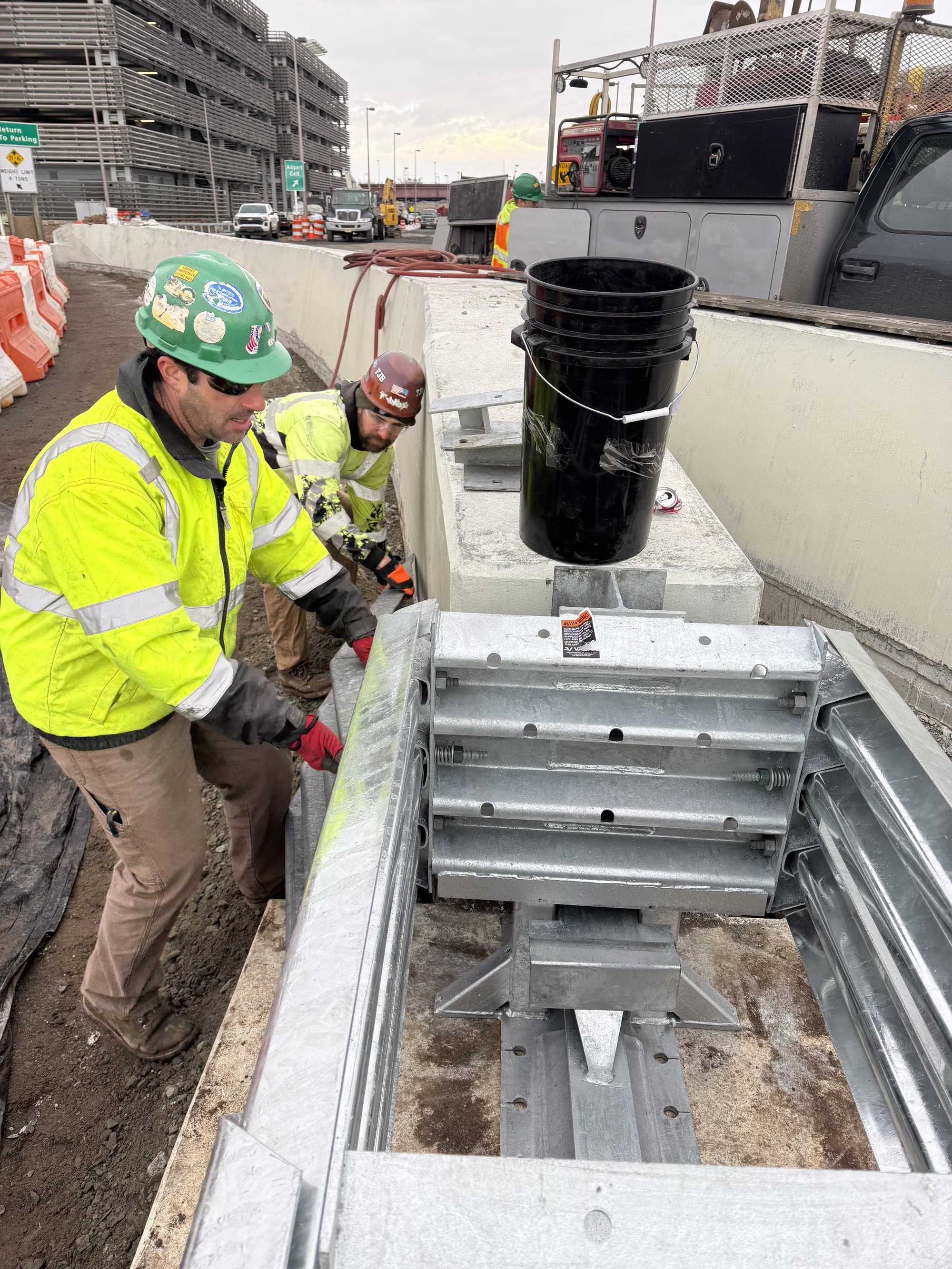
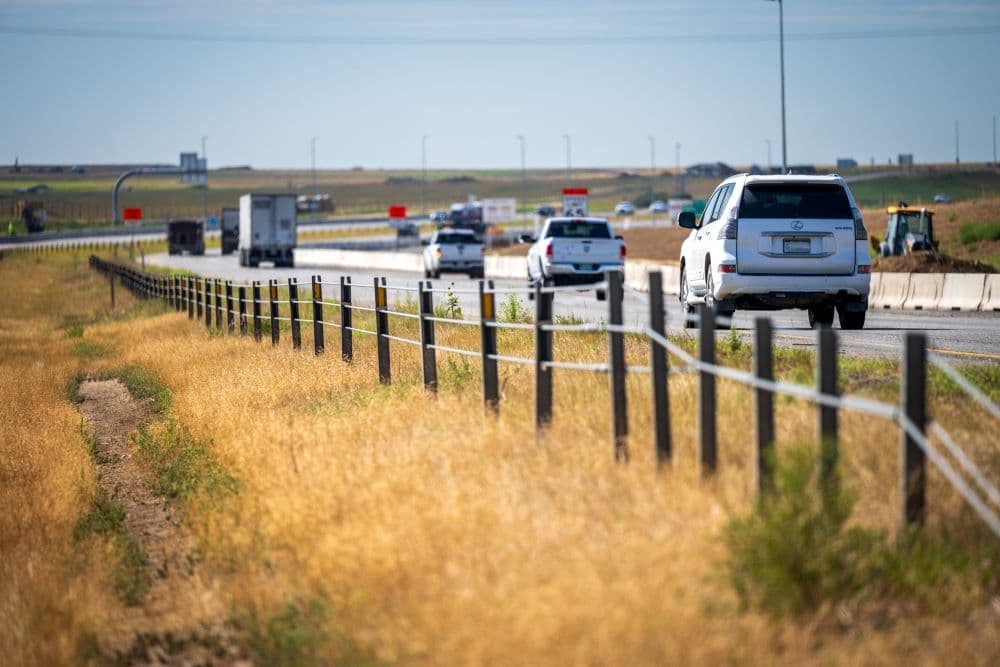
MASH-compliant guiderail systems for highway agencies and general contractors across New York, New Jersey, Pennsylvania, Delaware, Maryland, and the broader Mid-Atlantic region. Road Safety Systems installs W-beam, box beam, high-tension cable barrier, impact attenuators, and timber rail — the roadside safety infrastructure that protects the traveling public.

How We Work

01

Consultation

We review project plans, DOT and turnpike authority specifications, and site conditions to scope the right guiderail system for your project.

02

Custom Design

Our team verifies material certifications, designs end terminal configurations, and produces guiderail-to-bridge-rail transition details per agency standards.

03

Professional Installation

Experienced crews install guiderail systems with complete as-built documentation for DOT and turnpike authority acceptance.
Industries We Serve

Industries We Serve

Ready to Start Your Project?

Get a free, no-obligation quote from our team of highway safety infrastructure experts.

Frequently Asked Questions

MASH (Manual for Assessing Safety Hardware) is the current AASHTO standard for crash testing roadside safety devices. New guiderail installations on federal-aid highways are expected to use MASH-tested hardware, evaluated at highway impact speeds. We install MASH-tested systems on our projects.

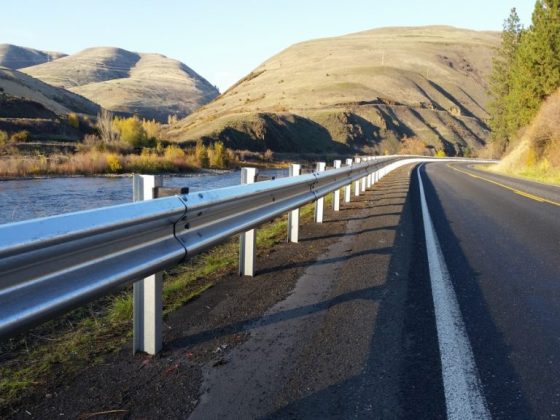
W-beam has a two-wave corrugated profile and is the standard for most highway applications. Thrie-beam has a three-wave profile providing greater rail height and structural capacity, and is typically used at bridge approach transitions and locations with heavy truck traffic.

Box beam is specified where deflection space behind the guiderail is limited — typically at bridge approaches, sharp curves, and high-fill embankments. Standard W-beam deflects further on impact, while box beam deflects less and provides higher containment for locations with heavy truck traffic.

A bridge approach transition is the section of guiderail that connects flexible highway guiderail to the rigid bridge railing system. This transition must progressively increase stiffness so a vehicle impact is not abruptly redirected, making precision installation critical.

Cable barrier is widely used by state DOTs specifically because it captures and redirects vehicles that would otherwise cross a highway median. It is one of the most cost-effective countermeasures available for reducing cross-median crash severity on divided highways.

Cable barrier is well suited to winter maintenance. The frangible posts flex or release rather than damaging plow blades, and the open cable profile allows snow to drift through instead of accumulating against a solid face.

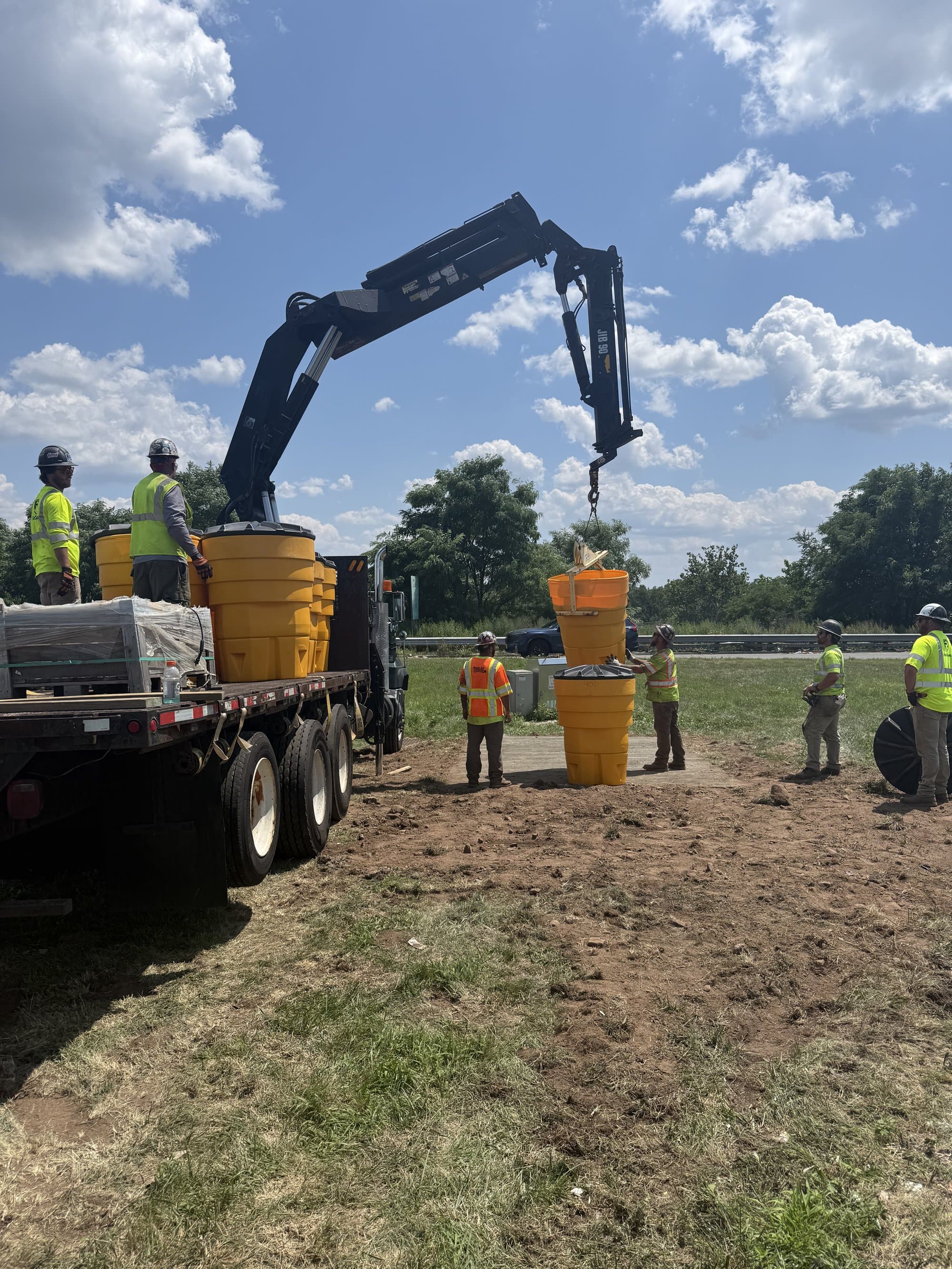
An impact attenuator (also called a crash cushion) is an energy-absorbing safety device installed in front of fixed highway hazards. It decelerates a vehicle in a controlled manner during a head-on impact and may redirect vehicles that strike the side, reducing crash severity.

Redirective attenuators both decelerate head-on impacts and redirect vehicles that strike the side back toward the travel lane. Non-redirective attenuators, such as sand barrels, only decelerate head-on impacts and are used where side impacts are less likely.

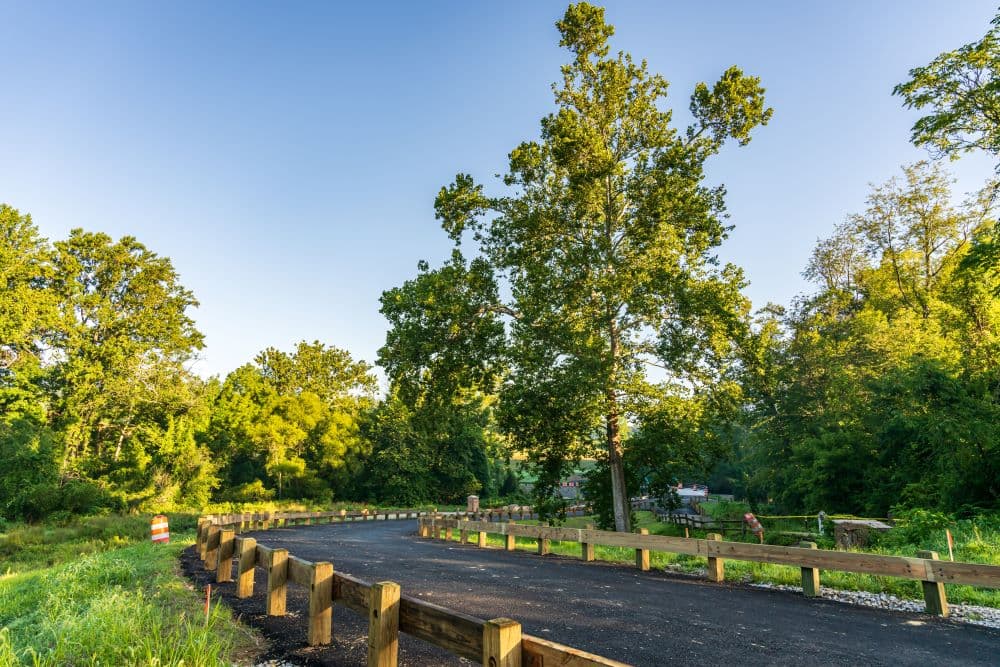
Timber rail is typically specified by parks departments, scenic byway programs, and agencies managing roads through historic districts or forested corridors, where a natural-wood appearance is a stated project priority alongside crash performance.

Timber rail systems combine a timber rail face with steel structural elements sized to meet the crash performance requirements specified by the project engineer for the given roadway context.
5
States Served
PennDOT & NJ Turnpike
Agency Experience
NJ, DE & MD
Solar Infrastructure Projects
RoadGuard
Parent Company

Request a Free Quote

We'll review your project and respond within 2 business hours.

Step 1 of 333%

Service & Location