Temporary Barriers
Work zone barriers including temporary concrete barrier and water-filled barriers for construction zone safety.
The barrier systems that separate work zones from live traffic are the primary physical protection for workers and motorists during construction. Road Safety Systems supplies and installs temporary barrier systems for highway construction projects across New York, New Jersey, Pennsylvania, Delaware, and Maryland.
Temporary Barrier Systems
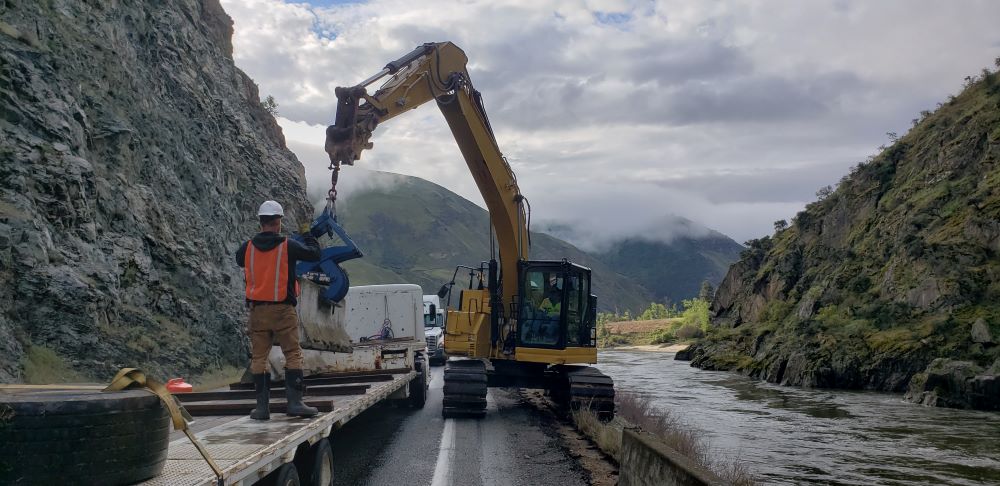
**Temporary Concrete Barrier (TCB)**: Precast concrete segments connected with steel pins to form continuous barrier runs — the highest level of work zone protection, stopping vehicles without deflecting into the work zone.
**Water-Filled Barriers**: Lightweight plastic barriers filled with water on site for ballast, used for lower-speed work zones, pedestrian channelization, and temporary traffic separation.
Work Zone Barrier Management
We support project-duration barrier management: initial placement, phased repositioning as work progresses, and removal at project completion, coordinated with the construction superintendent's schedule.
MUTCD and Agency Compliance
All temporary barrier installations comply with the Manual on Uniform Traffic Control Devices (MUTCD) Part 6 and the applicable agency's work zone safety specifications, with barrier selection, placement, and end treatment per the approved traffic control plan.
Phased Construction Sequencing
Highway construction rarely happens in one continuous closure — most projects move through multiple phases, each with a different traffic pattern and a different barrier configuration to match. We plan temporary barrier moves around the project's phasing schedule, working with the general contractor and traffic control plan to reposition barrier before each phase shift without creating gaps in worker or motorist protection during the transition.
Barrier End Treatments in Work Zones
Just as with permanent concrete barrier, an exposed temporary barrier end is a hazard if not properly treated. We install crash cushions, flared terminals, or other approved end treatments at exposed temporary concrete barrier ends per the traffic control plan, and reposition or reinstall those end treatments each time barrier segments move during a construction phase change.
Supporting Fast-Moving Schedules
Work zone barrier needs can change quickly — a schedule slip, a weather delay, or a change in construction sequencing can all require barrier to move faster than originally planned. We maintain the ability to respond to these schedule changes so barrier repositioning doesn't become the item holding up the rest of the project.
Ready to Start Your Project?
Get a free, no-obligation quote from our team of highway safety infrastructure experts.
Key Features
- Temporary concrete barrier (TCB) segments
- Water-filled barriers for low-speed work zones
- Project-duration barrier management and repositioning
- MUTCD Part 6 compliant installations
Applications
Technical Specifications
| TCB Segments | Precast, pin-connected |
| Compliance | MUTCD Part 6, agency traffic control plan specifications |
Frequently Asked Questions
Request a Free Quote
We'll review your project and respond within 2 business hours.