Cable Barriers
High-tension cable median barrier systems for divided highways — a cost-effective approach to cross-median crash prevention.
High-tension cable barriers are a cost-effective solution for reducing cross-median crashes on divided highways. Road Safety Systems installs MASH-tested cable barrier systems across New York, New Jersey, Pennsylvania, Delaware, and Maryland.
How Cable Barriers Work
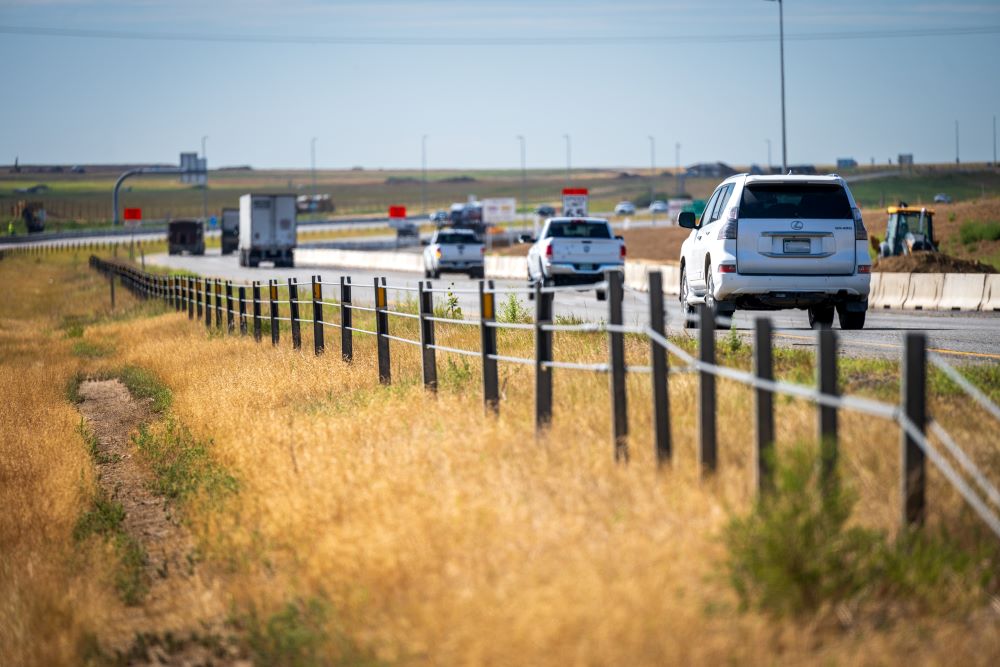
Cable barrier systems use three or four high-strength steel cables tensioned between anchor terminals, supported by frangible steel or composite posts. When a vehicle impacts the system, the posts release by design, and the tensioned cables absorb and distribute the impact energy over a longer length than rigid barriers — capturing the vehicle within the cable array and redirecting it along the barrier rather than allowing it to cross the median.
Where Cable Barrier Fits
Cable barrier is well suited to divided highways with adequate median width for dynamic deflection. It typically costs less to install than rigid barrier systems, requires less earthwork, and is compatible with snowplow operations.
Installation and Maintenance
We verify cable tensions with calibrated tension meters at installation and document anchors, splices, and terminals for as-built records. Cable barrier requires periodic maintenance — tension verification, post replacement after impacts, and cable splice repair — and we can support agencies with ongoing maintenance needs.
Median Width and Barrier Placement
Cable barrier's performance depends heavily on having enough median width for the system to deflect dynamically during an impact. We work with the project engineer to confirm the barrier's offset from each roadway edge meets the manufacturer's deflection requirements for the specified test level, since placing cable barrier too close to either travel lane can reduce its effectiveness or create a hazard of its own if deflection space is inadequate.
Why Agencies Choose Cable Barrier Programs
Many state DOTs have invested in systemic cable barrier programs along divided highway corridors specifically because the cost per linear foot allows more roadway miles to be protected within a given budget compared to rigid barrier alternatives. We support these programs at both the individual project level and, where agencies are managing broader corridor rollouts, with installation sequencing that keeps pace with program timelines.
Ready to Start Your Project?
Get a free, no-obligation quote from our team of highway safety infrastructure experts.
Key Features
- Three-cable and four-cable high-tension systems
- MASH-tested cable barrier systems
- Frangible posts designed for controlled release on impact
- Snowplow-compatible design
- Cable tension verification and as-built documentation
Applications
Technical Specifications
| Cable Configuration | 3-cable or 4-cable systems |
| Post Type | Frangible steel or composite |
| Test Level | MASH TL-3 or TL-4 |
Frequently Asked Questions
Request a Free Quote
We'll review your project and respond within 2 business hours.