Structural Components
Structural steel and bracing components that complete a solar array support system — purlins, bracing, and connection hardware.
Beyond foundations and primary racking, a ground-mount solar array relies on a full set of structural components — purlins, cross-bracing, and connection hardware — that tie the system together and give it the strength to withstand wind and snow loads over its service life. Road Safety Systems installs these structural components for solar field projects across New York, New Jersey, Delaware, Maryland, and the broader Mid-Atlantic.
Structural Component Installation
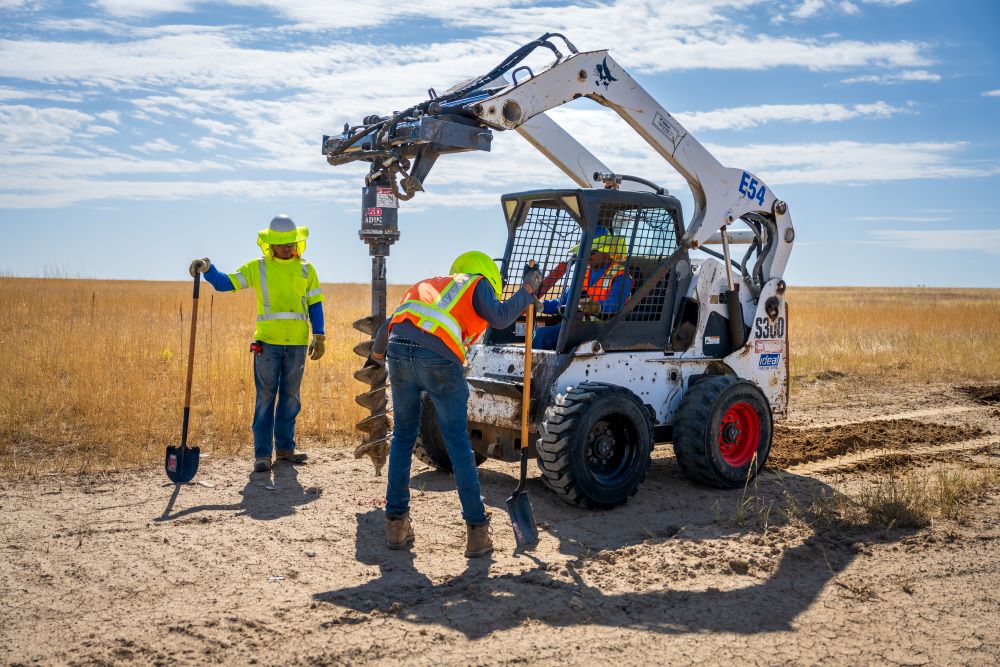
We install the secondary structural steel that completes a racking system — torque tubes, purlins, cross-bracing, and the connection hardware that ties rows together — per the racking manufacturer's structural drawings. This work is closely sequenced with foundation and mounting system installation to keep the overall solar field build on schedule.
Quality and Documentation
As with our highway safety infrastructure work, we verify installation against the manufacturer's structural drawings and torque specifications, and document completed sections for the project's quality record.
Why Bracing and Connection Hardware Matter
It's easy to think of a solar array's structural performance as being about the foundations and primary racking alone, but the secondary structural components — cross-bracing, purlin splices, and connection hardware — are what actually keep individual rows and the racking system as a whole from racking or shifting under wind load over the array's service life. Under-tightened connections or missing bracing at just a few locations can compromise the structural performance of an entire row, which is why we treat these components with the same attention to specification as the primary structural elements.
Corrosion Resistance for a Long Service Life
Ground-mount solar structures are expected to remain in service for decades, often in exposed field conditions with limited routine maintenance. We install structural components and connection hardware with the corrosion protection specified by the racking manufacturer — typically galvanized steel components and compatible fasteners — so the structural system holds up over the array's intended service life rather than becoming a maintenance liability a few years after installation.
Working as Part of a Larger Solar Field Team
Structural component installation is typically the final structural step before module installation begins, which puts us in a position where our work has to be both correct and on schedule to avoid holding up the rest of the project. We coordinate closely with the foundation and mounting system crews ahead of us and the module and electrical crews that follow, treating schedule reliability as part of the quality of our work, not separate from it.
Ready to Start Your Project?
Get a free, no-obligation quote from our team of highway safety infrastructure experts.
Key Features
- Torque tube, purlin, and cross-bracing installation
- Connection hardware installed per manufacturer torque spec
- Sequenced with foundation and mounting system crews
- Installation verified against structural drawings
Applications
Related Services
Frequently Asked Questions
Request a Free Quote
We'll review your project and respond within 2 business hours.